
How to Choose the Right Residential Land
- Cornerstone Land Group

- Mar 21
- 4 min read
Buying residential land is an exciting step toward building your dream home or making a smart investment. However, it can also feel overwhelming if you don’t know what to look for. Whether you are a first-time buyer or someone looking to expand your property portfolio, understanding the key factors in selecting the right land is essential. This guide will walk you through practical tips and insights to help you make an informed decision.
What to Consider When You Buy Residential Land
When you decide to buy residential land, it’s important to think beyond just the price. Here are some critical factors to evaluate:
Location: Proximity to schools, hospitals, shopping centers, and your workplace can significantly affect your quality of life and property value.
Zoning and Land Use: Check local zoning laws to ensure the land is designated for residential use and understand any restrictions.
Topography and Soil Quality: The land’s slope, drainage, and soil type impact construction costs and suitability.
Utilities and Infrastructure: Confirm availability of water, electricity, sewage, and internet services.
Access and Road Conditions: Easy access to paved roads is preferable for convenience and future resale value.
Environmental Factors: Be aware of flood zones, protected areas, or other environmental regulations.
Taking the time to research these aspects will save you from costly surprises later. For example, a plot with poor drainage might require expensive groundwork before building.
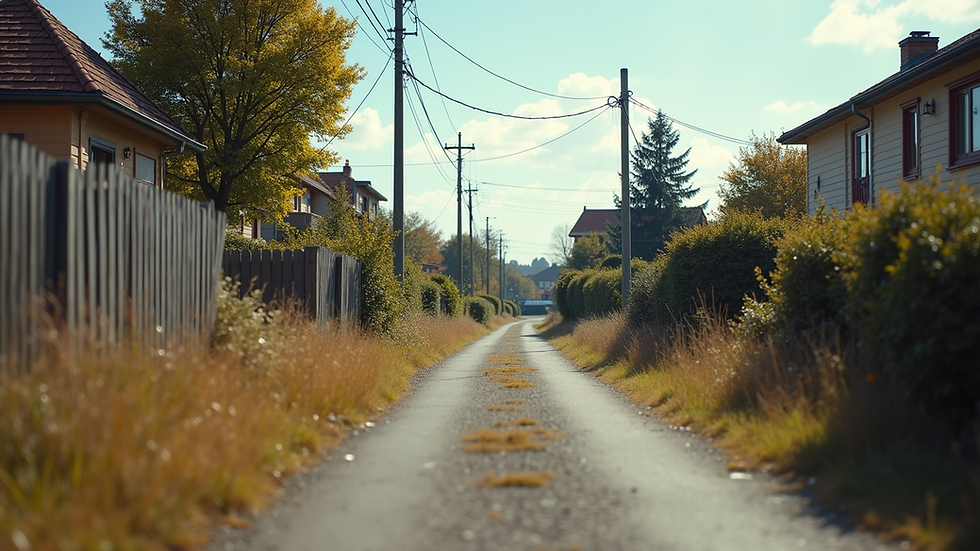
How to Buy Residential Land with Confidence
Buying land is different from buying a house. Here are some actionable steps to guide you through the process:
Define Your Purpose
Are you buying to build your home, for investment, or for recreational use? Your purpose will influence the type of land you should look for.
Set a Realistic Budget
Include not only the purchase price but also costs for surveys, permits, site preparation, and utilities connection.
Work with Local Experts
Partner with a trusted local land group like Cornerstone Land Group who understand the community and market trends.
Visit the Land in Person
Pictures and maps can be deceiving. Walk the property to get a feel for the terrain, neighborhood, and surroundings.
Conduct Due Diligence
Verify ownership, check for liens, and review any easements or covenants that might affect your use of the land.
Plan for the Future
Consider how the area might develop over the next 5-10 years. Is there potential for growth or risks of undesirable changes?
By following these steps, you can approach your land purchase with confidence and clarity.

How much is 1 acre of land worth in SC?
Understanding land value is crucial when buying residential land in South Carolina. The price per acre can vary widely depending on location, accessibility, and land quality.
Rural Areas: Prices can be as low as $2,000 to $5,000 per acre for undeveloped land far from urban centers.
Suburban Areas: Closer to cities like Charleston or Columbia, prices typically range from $10,000 to $30,000 per acre.
Prime Residential Locations: In sought-after neighborhoods or near the coast, prices can exceed $50,000 per acre.
Keep in mind that these figures fluctuate with market conditions and demand. It’s wise to consult local experts and recent sales data to get an accurate estimate.
If you want to explore options, Cornerstone Land Group offers a variety of residential land for sale in South Carolina, tailored to different budgets and needs.
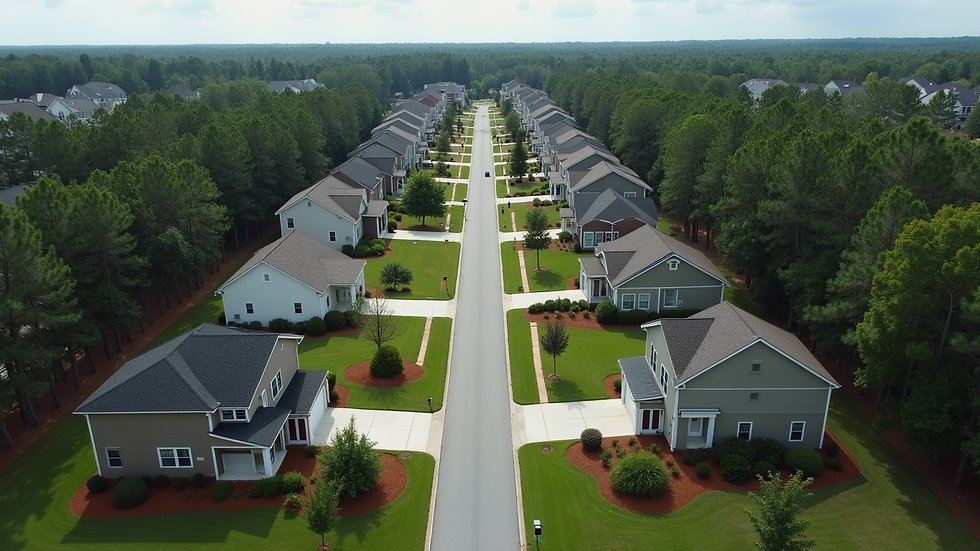
Why Community-Focused Land Groups Make a Difference
Choosing the right partner when buying land can make all the difference. Local land groups that are deeply involved in their communities bring unique value:
Personalized Service: They understand your needs and provide tailored advice rather than pushing sales.
Local Knowledge: They know the nuances of zoning, schools, and future developments.
Trust and Transparency: Community-focused businesses build long-term relationships based on honesty.
Support Beyond the Sale: They often assist with permits, contractors, and other resources to help you build your dream home.
At Cornerstone Land Group, for example, the team is committed to helping buyers find the perfect plot while supporting local growth and sustainability. This approach ensures you get more than just land - you gain a partner invested in your success.
Tips for Making Your Land Purchase Smooth and Successful
To wrap up, here are some practical tips to keep your land buying experience positive:
Get a Professional Survey: Confirm boundaries and identify any encroachments.
Check for Easements: Understand if others have rights to use parts of your land.
Review Local Building Codes: Know what you can and cannot build.
Plan for Utilities Early: Arrange connections before construction starts.
Consider Resale Value: Even if you plan to stay long-term, good resale potential is a smart consideration.
Be Patient: Finding the right land takes time. Don’t rush into a decision.
By following these guidelines, you’ll be well on your way to owning a piece of land that fits your vision and lifestyle.
Buying land is more than a transaction - it’s a step toward building a future. With the right knowledge and support, you can find the perfect spot to call home or invest wisely. If you’re ready to explore options, check out the residential land for sale available through trusted local experts who care about your goals and community.
Happy land hunting!


Comments