
How to Buy Residential Land in the U.S.
- Cornerstone Land Group

- Mar 21
- 4 min read
Buying land is an exciting journey, especially when it’s residential land where you plan to build your future home or invest in a community. It’s not just about the transaction; it’s about understanding the process, the local market, and making informed decisions that bring long-term value. Whether you’re a first-time buyer or looking to expand your property portfolio, this guide will walk you through practical steps and insights to help you confidently buy residential land in the U.S.

Understanding the Basics of Buying Residential Land
Before diving into the purchase, it’s important to grasp the fundamentals of buying land. Unlike buying a home, land purchases come with unique considerations:
Zoning and Land Use: Check local zoning laws to ensure the land is designated for residential use. This affects what you can build and how you can use the property.
Utilities and Infrastructure: Confirm availability of water, electricity, sewage, and road access. Sometimes land may be in a remote area without these essentials.
Land Topography and Soil Quality: The physical characteristics of the land impact construction costs and feasibility.
Environmental Restrictions: Some lands have protected areas or restrictions that limit development.
Taking the time to research these factors can save you from costly surprises later. Working with a local expert who understands the community and regulations can be invaluable.
Buying Residential Land Tips: How to Make the Right Choice
When you’re ready to explore options, here are some practical tips to guide your purchase:
Define Your Purpose Clearly
Are you buying to build a home, for investment, or future resale? Your purpose will influence location, size, and budget.
Set a Realistic Budget
Include not just the purchase price but also costs for surveys, permits, utility hookups, and potential land improvements.
Visit the Land in Person
Photos and maps are helpful, but nothing beats seeing the land firsthand. Check the surroundings, neighborhood vibe, and accessibility.
Research the Neighborhood
Look into schools, amenities, future developments, and community plans. A growing area can increase your land’s value.
Hire a Land Specialist
A knowledgeable agent or company like Cornerstone Land Group can provide listings of quality residential land for sale and guide you through the process.
Understand the Legalities
Title searches, easements, and deed restrictions can affect your ownership rights. Always have a real estate attorney review documents.
Plan for the Future
Think about resale potential and how the area might develop over time. Buying land is a long-term investment.
By following these tips, you’ll be better equipped to find land that fits your needs and budget.
How Much Does 1 Acre of Land Cost in VA?
Virginia offers a diverse real estate market, with land prices varying widely depending on location, accessibility, and land features. On average:
Rural Areas: Prices can range from $3,000 to $10,000 per acre. These areas often have larger plots but fewer amenities.
Suburban Areas: Expect prices between $20,000 and $50,000 per acre, reflecting proximity to cities and infrastructure.
Urban or High-Demand Areas: Prices can exceed $100,000 per acre, especially near metropolitan hubs or desirable neighborhoods.
Factors influencing cost include:
Proximity to major cities like Richmond, Virginia Beach, or Northern Virginia
Access to highways and public transportation
Availability of utilities and services
Zoning and land use restrictions
If you’re considering buying land in Virginia, it’s wise to consult local experts who can provide up-to-date market data and help you find the best deals.
Financing and Legal Considerations When Buying Land
Unlike home mortgages, financing land can be more complex. Here’s what you need to know:
Types of Loans: Land loans, construction loans, or personal loans may be options. Land loans often require larger down payments (20-50%) and have higher interest rates.
Credit and Income: Lenders will scrutinize your credit score and income stability more closely for land purchases.
Title Insurance: Protects you from disputes over ownership or liens.
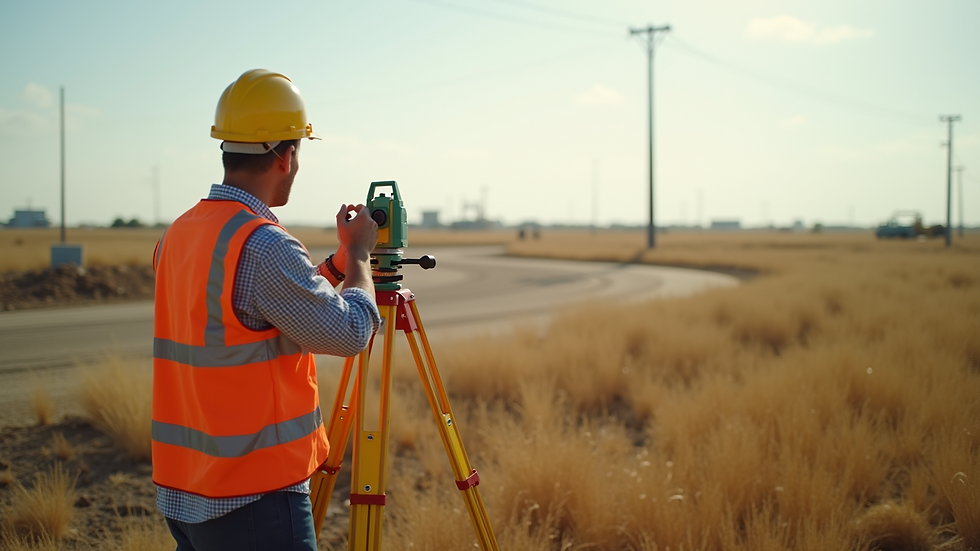
Survey and Inspection: A professional survey confirms boundaries and identifies any encroachments or easements.
Permits and Approvals: Before building, you’ll need permits from local authorities. Check what’s required early in the process.
Partnering with a trusted real estate professional and legal advisor can help you navigate these complexities smoothly.
How We Bring Value to Your Land Buying Experience
At Cornerstone Land Group, we believe buying land is more than a transaction - it’s about building communities and futures. Here’s how we add value:
Local Expertise: We know the neighborhoods, zoning laws, and market trends inside out.
Personalized Service: Every buyer has unique goals. We listen carefully and tailor our recommendations.
Transparent Process: No hidden fees or surprises. We guide you step-by-step.
Community Focus: We support local initiatives and help buyers find land that fits their lifestyle and values.
Access to Quality Listings: Our curated selection of residential land for sale ensures you see only the best opportunities.
Our goal is to make your land buying journey straightforward, enjoyable, and rewarding.
Taking the Next Step Toward Your Land Ownership
Buying residential land is a significant milestone. With the right knowledge and support, you can find a property that meets your needs and sets the foundation for your dreams. Start by exploring available options, visiting properties, and asking questions. Remember, patience and due diligence pay off.
If you’re ready to explore quality land listings or want expert advice, visit Cornerstone Land Group. We’re here to help you every step of the way.
Your future home or investment starts with the right piece of land. Let’s find it together.


Comments