
How Location Impacts the Value of Vacant Land

Overview
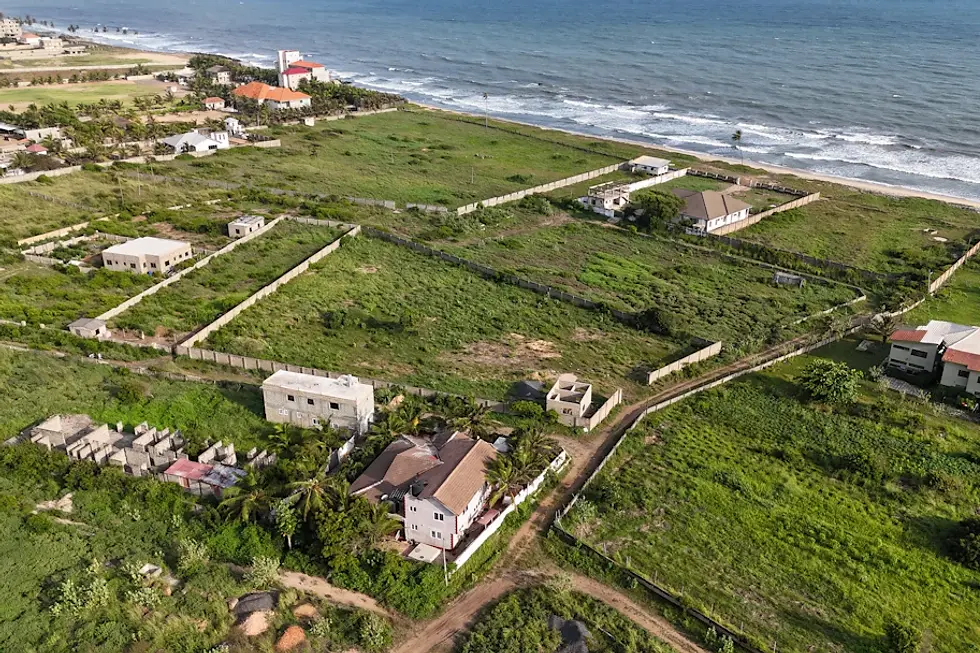
Location is crucial in determining the value of vacant land, influencing factors like accessibility, proximity to urban centers, and nearby amenities. Sellers in Arkansas can maximize their land's value by understanding these aspects, staying informed about market trends, and employing effective selling strategies such as competitive pricing and targeted marketing. Addressing common misconceptions can further enhance the selling process.
Contents
When it comes to real estate, the age-old adage "location, location, location" holds significant value, particularly in the realm of vacant land. Many first-time buyers and sellers often underestimate how pivotal this aspect is when determining the value of unoccupied properties. In this comprehensive guide, we will delve into the factors influencing land value tied to location, while providing insights into how to sell vacant land efficiently, especially in Arkansas.
The Importance of Location in Real Estate
Location dictates land values based on various components, including accessibility, proximity to urban centers, and availability of amenities. Let's discuss these factors in detail:
1. Accessibility
Land that is easily accessible tends to be more valuable. Properties located near highways or main roads are more attractive because potential buyers can easily reach their destinations. For someone looking to sell land fast without an agent, ensuring that the property has clear access routes will enhance its appeal and increase its price point.
2. Proximity to Urban Centers
Vacant land situated near urban areas generally carries a higher value than remote properties. Urbanization brings economic opportunities, a growing population, and development prospects, making nearby vacant lots prime for investment. If you're aiming to sell vacant land in Arkansas, consider how close it is to cities like Little Rock or Fayetteville, which can significantly influence prospective buyers' interests.
3. Availability of Amenities
Access to amenities such as grocery stores, schools, parks, and healthcare facilities can make land more attractive. Buyers are often willing to pay a premium for land that is within reach of essential services. From a selling perspective, promoting these nearby amenities can underscore the land's value.
Natural Features and Their Influence
In addition to urban factors, natural features, such as lakes, rivers, and mountains can significantly impact value. Take a look at how these elements contribute:
1. Scenic Views and Natural Landscapes
Vacant land with expansive views or unique natural features often fetches higher prices. For instance, properties adjacent to lakes or with mountain views are inherently appealing to buyers looking for recreation opportunities. Those properties can be marketed as ideal spots for weekend getaways or vacation homes.
2. Soil Quality and Usability
The usability of land plays a crucial role in its valuation. Agricultural land with quality soil can attract farmers or investors interested in cultivation. Conversely, rocky or wet land might deter buyers. This usability must be defined when marketing a property, especially for those who seek to sell land fast in Arkansas.
Market Trends and Economic Factors
Market trends, influenced by broader economic factors, also dictate land value based on location:
1. Economic Growth and Job Opportunities
Areas experiencing economic growth often attract people and industries, which boosts demand for vacant land. Buyers looking at these properties often see potential for future development. When prospective buyers are aware of nearby economic initiatives, they tend to pay a higher price. If you're keen on maximizing your selling price, stay informed about developments in Arkansas that could increase land value.
2. Local Real Estate Market Conditions
Supply and demand drive real estate markets. If vacant land is scarce in a desirable area, values will rise. Sellers in high-demand regions should prioritize advertising their properties to reach the most interested buyers. To do this effectively, consider seeking cash land buyers in Arkansas, which can expedite transactions in competitive markets.
Understanding Zoning Laws and Regulations
Zoning laws dictate what can and cannot be built on a piece of land, reflecting its use and determining its value. Here’s how it affects potential buyers:
1. Residential vs. Commercial Zoning
In areas zoned for residential use, the demand is often dictated by the area's proximity to schools, shopping, and transportation. Conversely, properties in commercially zoned areas might attract investors interested in retail or service businesses, driving up their value. Properly categorizing your property when considering how to sell vacant land can impact potential sales.
2. Future Development Plans
Understanding urban planning can help you gauge how a location may change over time. If you can provide insights into potential development plans that would enhance the value of vacant land, you will empower your potential buyers in making informed decisions.
How to Sell Vacant Land Effectively
After understanding how location influences land value, sellers can adopt several strategies to maximize their sales:
1. Competitive Pricing and Market Research
Start by researching similar properties in the area to set a competitive price. It is crucial to list your land for a price that reflects current market conditions. By ensuring you are knowledgeable about comparable sales, you can effectively negotiate with buyers. For additional guidance, refer to Master Your Market: Tips for Pricing Your Vacant Land Competitively.
2. Marketing to the Right Audience
Utilizing social media, real estate platforms, and local networking can greatly enhance visibility. Clearly communicate the land’s unique selling points, focusing on location-related advantages. Engaging content can also drive interest. Consider leveraging platforms dedicated to land sales and interacting with local real estate communities.
3. Offering Flexible Financing Options
Attract potential buyers by offering flexible payment plans or financing options. This can be especially appealing to cash land buyers in Arkansas looking for alternative acquisition methods. The right deal can turn interested parties into buyers, enhancing your likelihood of selling the land quickly.
4. Partnering with Land Experts
Consider collaborating with professionals who specialize in land sales. Their expertise can help navigate the market effectively, providing valuable insights and networking opportunities to connect with willing buyers. For more comprehensive strategies, check out the exploring different selling strategies for vacant land.
Addressing Common Misconceptions
When it comes to selling land, misconceptions can lead sellers astray. A few common myths include:
Myth: All land is created equal.
Fact: Location, zoning, and usability significantly affect value.
Myth: You must use a real estate agent to sell land.
Fact: Sellers can navigate the selling process independently, especially with the right knowledge and resources.
For more details on common misconceptions, refer to Myth Busting: Common Misconceptions About Selling Vacant Land.
Final Thoughts – Capitalizing on Location
Understanding how location impacts the value of vacant land is vital for sellers looking to maximize profits. By considering accessibility, proximity to amenities, natural features, market trends, zoning, and misconceptions, sellers can navigate the market with confidence. Increasing awareness of location factors can enhance marketing efforts, emphasizing the unique value of each property. Moreover, by implementing effective selling strategies, sellers can successfully engage with interested buyers and close deals effectively. For those wanting to make the most of their land quickly, leveraging insights about the Arkansas market will yield fruitful results.
FAQs
What factors determine the value of vacant land?
The value of vacant land is primarily influenced by location factors such as accessibility, proximity to urban centers, availability of amenities, and natural features.
Why is accessibility important for vacant land value?
Accessibility enhances the appeal of land, as properties near highways or main roads are easier for potential buyers to reach, often leading to higher prices.
How does proximity to urban centers affect vacant land value?
Vacant land near urban areas typically has a higher value due to economic opportunities, population growth, and development prospects in those regions.
What role do zoning laws play in vacant land valuation?
Zoning laws dictate the allowed use of the land, which can significantly affect its value based on whether it's designated for residential or commercial use.
What strategies can sellers use to sell vacant land effectively?
Sellers can maximize their sales by conducting market research for competitive pricing, marketing to the right audience, offering flexible financing options, and partnering with land experts.


Comments